Sevenoaks Town, Westerham, Otford, Tonbridge Castle area, Tunbridge Wells, the Kent villages — conservation areas cover a meaningful share of Kent’s most desirable streets. They also strip out the permitted development rights that make most heating upgrades a non-event for the rest of us. Here’s what we’ve learned over the last few years of installing heating in Kent conservation areas: what works, what doesn’t, and what the planning officers actually approve.
1. Kent’s conservation areas — the map
We work across all of them. The ones we hit most often:
- Sevenoaks Town — the Vine, High Street, Old House and adjacent streets
- Westerham — town centre, the Green, parts of London Road
- Otford — village centre and High Street
- Brasted, Chiddingstone, Penshurst, Edenbridge — village centres
- Tonbridge Castle area — immediately around the castle, plus parts of the High Street
- Royal Tunbridge Wells — multiple conservation areas covering most of the historic town centre
- West Malling — village centre conservation area
Each Kent district council has its own planning department. Sevenoaks District Council covers most of the conservation areas in our core service area; Tonbridge & Malling, Tunbridge Wells, and Tandridge cover the rest.
2. Boiler replacements — usually straightforward
Like-for-like boiler replacements with the new flue in the original position normally don’t need planning. The Permitted Development Order doesn’t reach the inside of a building. The flue termination is the bit that conservation officers care about:
- Same position, same diameter: no planning needed
- Same position, slightly larger flue (combi-from-system upgrade): usually fine, may need a quick LPA confirmation
- New position on rear elevation, not visible from highway: usually approved if applied for
- New flue on front elevation or any visible facade: almost always refused; design out
For conservation-area boiler swaps in Kent, we routinely take photos of the proposed flue route at survey and email them to the LPA conservation officer for an informal view before any work happens. Most officers will give a yes/no within a week. Saves the formal application and weeks of waiting.
3. Heat pumps in conservation areas
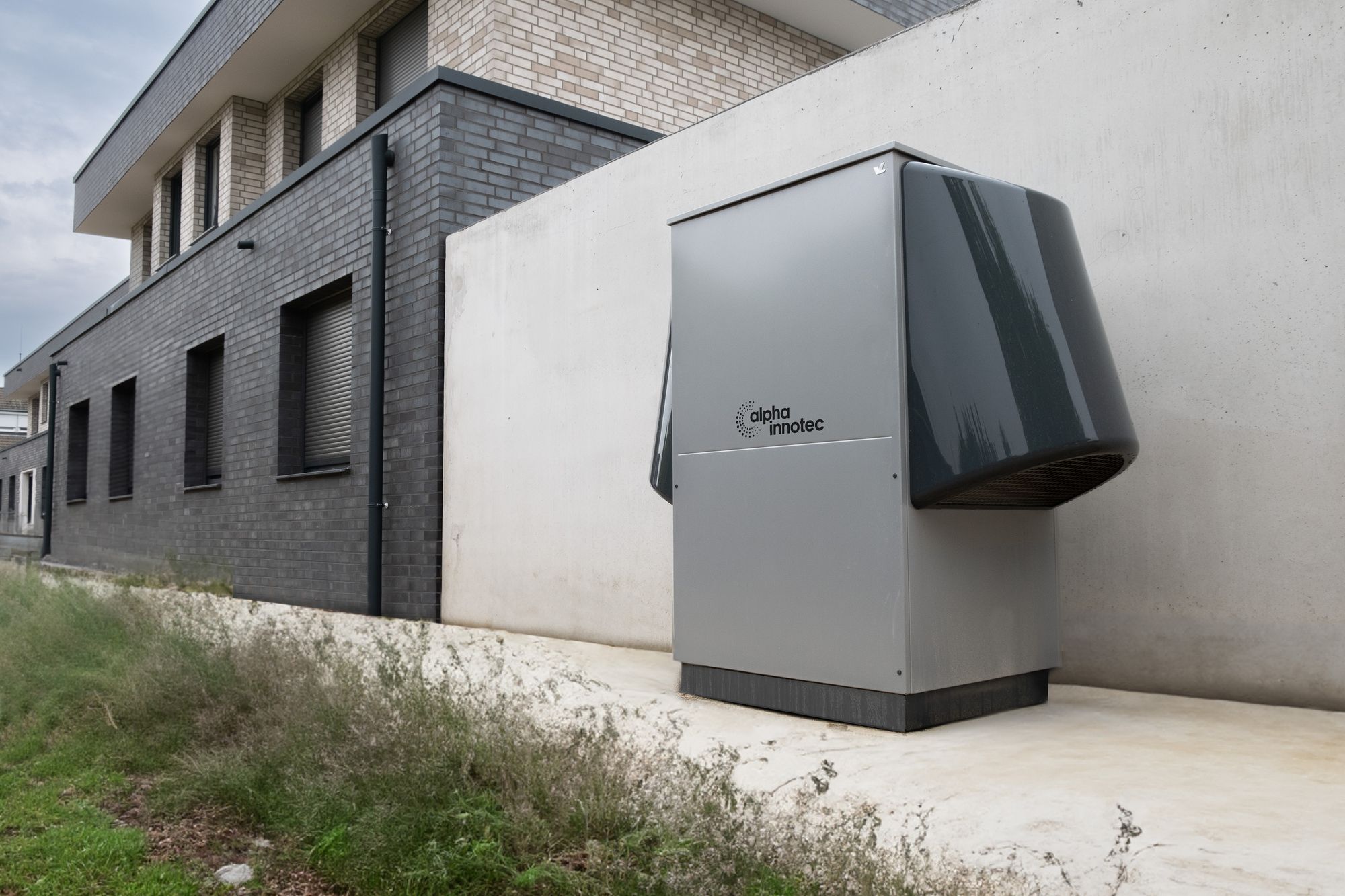
Air-source heat pumps always need planning in a Kent conservation area. The outdoor unit is the issue. Approval is achievable if the design is right:
- Position: rear elevation or rear garden, not visible from any public viewpoint
- Screening: timber-clad surround, planted hedge, or fence (lifelike materials, not metal louvre)
- Acoustic enclosure: for installs within 3 m of a neighbour’s habitable room
- Pipework: concealed inside the building envelope, not running externally on a heritage facade
- Replacement, not addition: easier to argue you’re replacing the boiler with a heat pump than adding plant
Approval rate for properly-designed heat-pump applications in Kent conservation areas is around 75% on first submission. The other 25% usually need a minor amendment — smaller screening, repositioning, or a quieter unit — before re-submission.
4. Listed buildings (the harder layer)
About 1 in 6 Kent conservation-area properties is also listed. Listing adds the requirement for Listed Building Consent (LBC) on any alteration that affects the special character of the building. For heating:
- Internal upgrades (controls, radiators, UFH in non-original floors): often acceptable; needs LBC if affecting historic floors or ceilings
- Replacement boiler in existing position, internal-only: often acceptable; needs LBC for new flue routes
- New flue penetration through fabric: hard to get LBC unless concealed (e.g., through an existing chimney)
- Heat pump outdoor unit: needs both planning and LBC; sympathetic design and concealment are essential
We work with a heritage consultant on Grade II* and Grade I buildings. For most Grade II listings, the LPA conservation officer plus our own experience handle the LBC submission directly.
5. The case for chimney flues
Many older Kent houses have unused fireplaces with usable chimneys. Where the geometry works, routing a flue up an existing chimney rather than through a new external wall penetration is the easiest planning win:
- No visible external change
- Usually no need for planning permission at all
- Easier to argue heritage compatibility
- Cleaner aesthetics for the homeowner
The downside: chimney flues need a stainless flexible liner sized for the boiler output, which is several hundred pounds in materials plus a half-day to install. Worth it for the planning simplification.
6. Internal-only upgrades — the easy win
Everything that happens behind your walls is unconstrained by conservation rules. So:
- Underfloor heating — installed under new flooring; needs LBC only if affecting historic floors
- Radiator upgrades — old to new, sized for lower flow temperatures
- Smart thermostats and zoning — Hive, Nest, tado, Heatmiser; no planning impact
- System power-flush — entirely internal
- Magnetic filter + inhibitor — protects the new boiler
- Boiler relocation to internal cupboard — provided the flue is acceptable
7. Solar thermal and solar PV
Both need planning permission in conservation areas if visible from the highway. The practical implication: rear-facing roof slopes on south-or-west aspects almost always get approval; front-facing slopes almost never do.
Solar thermal (hot-water heating) sometimes works better in conservation properties than PV because the panels are smaller (typically 2–4 m² vs 15–25 m² for a PV array). Easier to conceal and approve.
8. Pre-application advice — book it
Every Kent planning authority offers paid pre-application advice. For £200–£400 you get a written conservation officer response telling you whether your proposal is likely to be approved. Worth its weight in saved time. We handle this for clients as part of any conservation-area install package.
9. What we handle as part of the install
For Kent conservation-area heating projects, our typical scope includes:
- Conservation-area / listed-building register check at survey
- Photos of proposed plant position and flue route
- Informal LPA officer consultation
- Pre-application advice request and response review
- Drawings and visualisations for any formal application
- Planning & LBC submission as needed
- Liaison with the case officer through determination
- Install once consent is in hand — with sympathetic finishes
The summary: conservation-area heating upgrades are slower than non-conservation ones, not impossible. The right design and the right paperwork unlock almost any reasonable proposal. Get the planning right at the start; the install is the easy bit. See our AC planning permission guide for the air-conditioning equivalent, and our heat-pump grants guide for the BUS-grant detail.